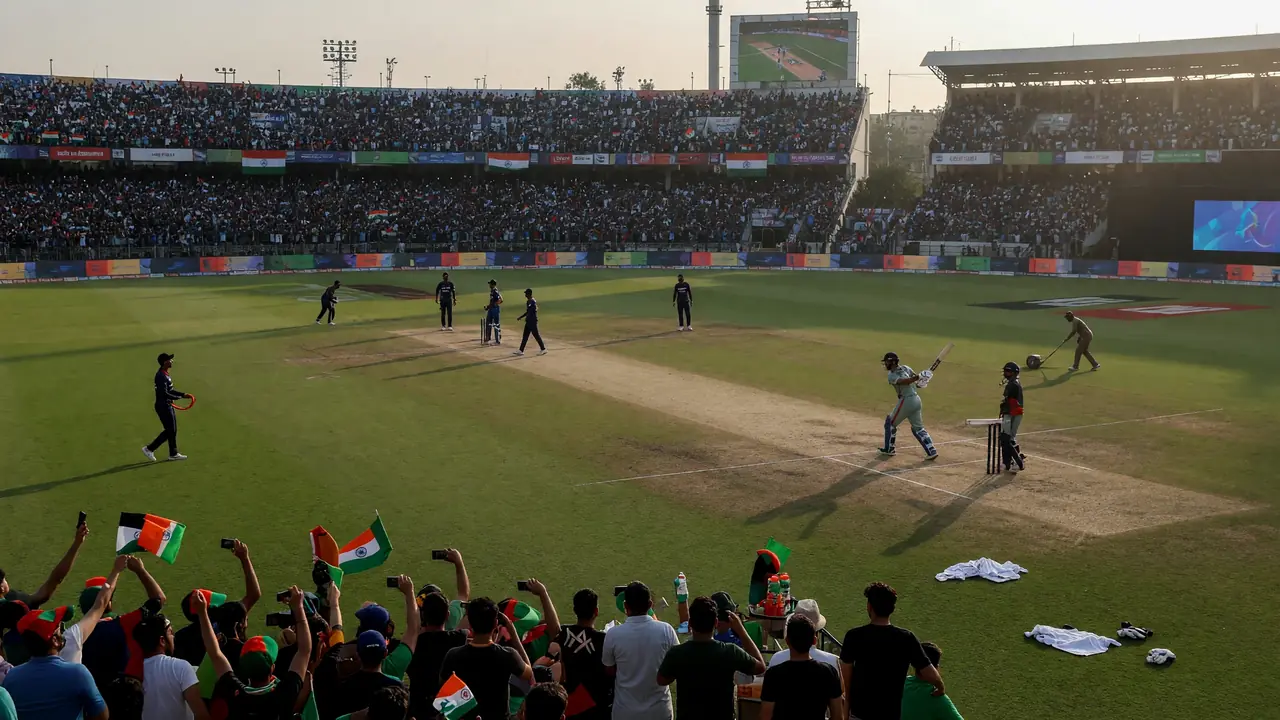
IND vs AFG 1st ODI at Dharamsala, 13 June 2026: A Retrospective on the Fantasy XI Calls
Weeks after the Afghanistan Tour of India opened in the hills, the pre-match fantasy board from 13 June still reads as a clean case study in how injury news, venue numbers and captaincy leans shaped ODI line-ups that morning.
On the morning of 13 June 2026, fantasy desks locked their India–Afghanistan boards for the first one-day international of the Afghanistan Tour of India. The fixture was set for Himachal Pradesh Cricket Association Stadium in Dharamsala, with a 1:30 PM IST start. Cricket Addictor’s Vicky Singh published a full Dream11-style preview at 08:26 AM IST and refreshed it the same night at 11:34 PM IST. This piece looks back at that pre-match record — the predicted XIs, the injury absences, the pitch numbers and the captaincy shortlist — as a dated archive rather than a live tip sheet.
The series arrived immediately after India’s one-off Test. That sequencing mattered. Virat Kohli was unavailable with a hamstring injury and Hardik Pandya sat out with a leg sprain, which forced the ODI side into a different balance of middle-order batting and all-round overs. Yashasvi Jaiswal was listed in the ODI squad as a replacement option, while Shubman Gill carried the captaincy into white-ball duty. Afghanistan arrived under Hashmatullah Shahidi, with Rahmanullah Gurbaz, Rashid Khan, Mohammad Nabi and Azmatullah Omarzai as the names that dominated differential debates on the Indian side of the contest.
Why the 13 June board still matters
Retrospectives on fantasy previews are useful when the original notes were specific. The Cricket Addictor file for this match was not a vague form round-up. It named full predicted elevens, a 2-4-2-3 skill split, explicit captain and vice-captain pairs, two players to avoid, and a short stack of career numbers attached to the “hot picks.” For managers who still study how ODI boards were built against Afghanistan in Indian conditions, the Dharamsala opener remains a compact reference point.
Head-to-head context in that preview was blunt: India led the ODI series record 3–0. That history shaped ownership expectations more than it shaped toss strategy. Markets priced Indian batters heavily, which is exactly when differential all-rounders and Afghanistan’s spin axis become the interesting part of any archive read. The value of revisiting the board is not to re-litigate a single contest; it is to see which constraints were already priced in before the first ball.
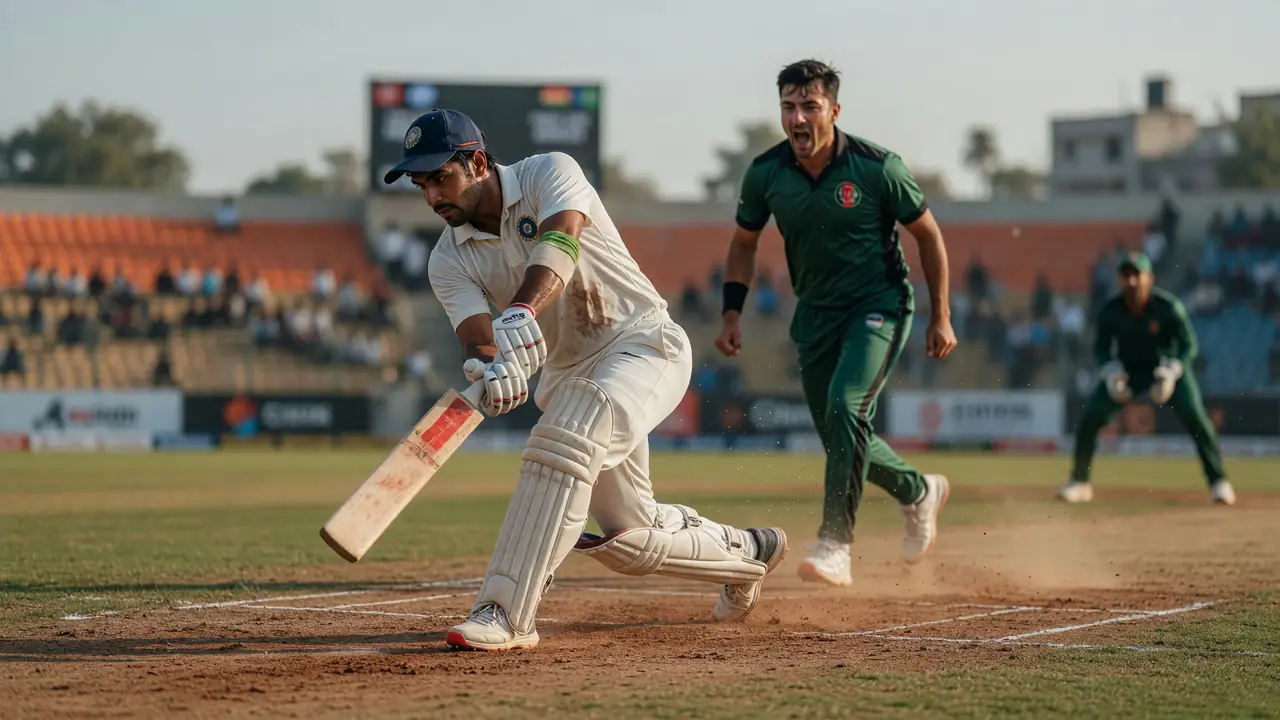
Match setting: Dharamsala, 1:30 PM IST
Venue notes in the original preview were unusually concrete for a morning fantasy brief. Temperature was listed around 24°C under partly cloudy skies. The surface was described as batting-friendly and better suited to pace than heavy spin. Average first-innings score sat at 289, and chasing sides were credited with a 57 percent win rate. Those three numbers — 289, pace bias, chase tilt — formed the skeleton of most serious combination work that morning.
A 1:30 PM start in Dharamsala also changes the dew and fatigue conversation compared with a late evening IPL fixture. Seamers who open with the new ball retain more of their first-spell premium, while middle-overs wrist spin still needs a clear role rather than pure hope. Managers who treated the pitch note as “high-scoring only” missed the second half of the brief: pace was expected to matter more than a pure batting free-for-all.
India’s predicted XI and the injury shape behind it
The predicted India eleven on that board was: Shubman Gill (captain), Rohit Sharma, Ishan Kishan, Shreyas Iyer, KL Rahul (wicketkeeper), Nitish Kumar Reddy, Washington Sundar, Harsh Dubey, Kuldeep Yadav, Arshdeep Singh and Prince Yadav. Read as a structure rather than a name list, the side carried two specialist openers, a keeper-batter in the middle, twin spin options through Sundar and Kuldeep, and a pace pair that mixed left-arm angle with a second seamer.
Kohli’s hamstring absence and Pandya’s leg sprain were the structural story. Without Kohli, the middle-order ceiling shifted toward Iyer and Rahul. Without Pandya, the fifth-bowler and finishing overs had to be redistributed across Reddy, Sundar and the seamers. Jaiswal’s presence in the broader ODI squad as a replacement option was noted, but he did not appear in the predicted playing eleven. That distinction — squad coverage versus locked XI — is still one of the cleaner lessons from the file.
What the Indian roles implied for fantasy scoring
Gill as captain concentrated ownership at the top. Rohit remained the volume pick off pure ODI weight: the preview attached 11,370 runs in 273 ODIs to his name. Rahul’s line was 3,282 runs in 87 ODIs, with keeping duties adding a second scoring path. Iyer’s 3,150 runs in 75 ODIs kept him in both captaincy and vice-captaincy conversations even when managers preferred a safer Indian anchor.
The lower half of the predicted side was more fragile. Harsh Dubey was explicitly listed among players to avoid, a rare piece of negative guidance in a short preview. Washington Sundar’s dual role made him more attractive in classic formats than in winner-takes-all contests where managers chase ceiling. Kuldeep’s wrist spin stayed relevant on a ground that still rewards wicket-taking overs in the middle, even when the headline pitch note favours pace.
Afghanistan’s predicted XI and the differential spine
Afghanistan’s predicted eleven read: Rahmanullah Gurbaz (wicketkeeper), Ibrahim Zadran, Sediqullah Atal, Hashmatullah Shahidi (captain), Ikram Alikhil, Azmatullah Omarzai, Mohammad Nabi, Rashid Khan, Nangyal Kharotai, Bilal Sami and Allah Ghazanfar. The spine was familiar to anyone who had built Afghanistan sides through the previous white-ball cycle: Gurbaz for power and keeping points, Omarzai for all-round overs, Nabi for control, Rashid for the middle-overs spike.
Gurbaz carried 1,840 runs in 53 ODIs on the hot-picks sheet. Omarzai’s dual line — 1,070 runs and 38 wickets in 42 ODIs — made him the clearest Afghanistan fantasy engine on the board. Shahidi’s captaincy secured his place but not his ceiling. Ikram Alikhil’s inclusion as an additional batter-keeper type option underlined how Afghanistan often stack glove options when the top order needs insurance rather than pure specialist bowling depth.
Captaincy shortlist and the 2-4-2-3 build
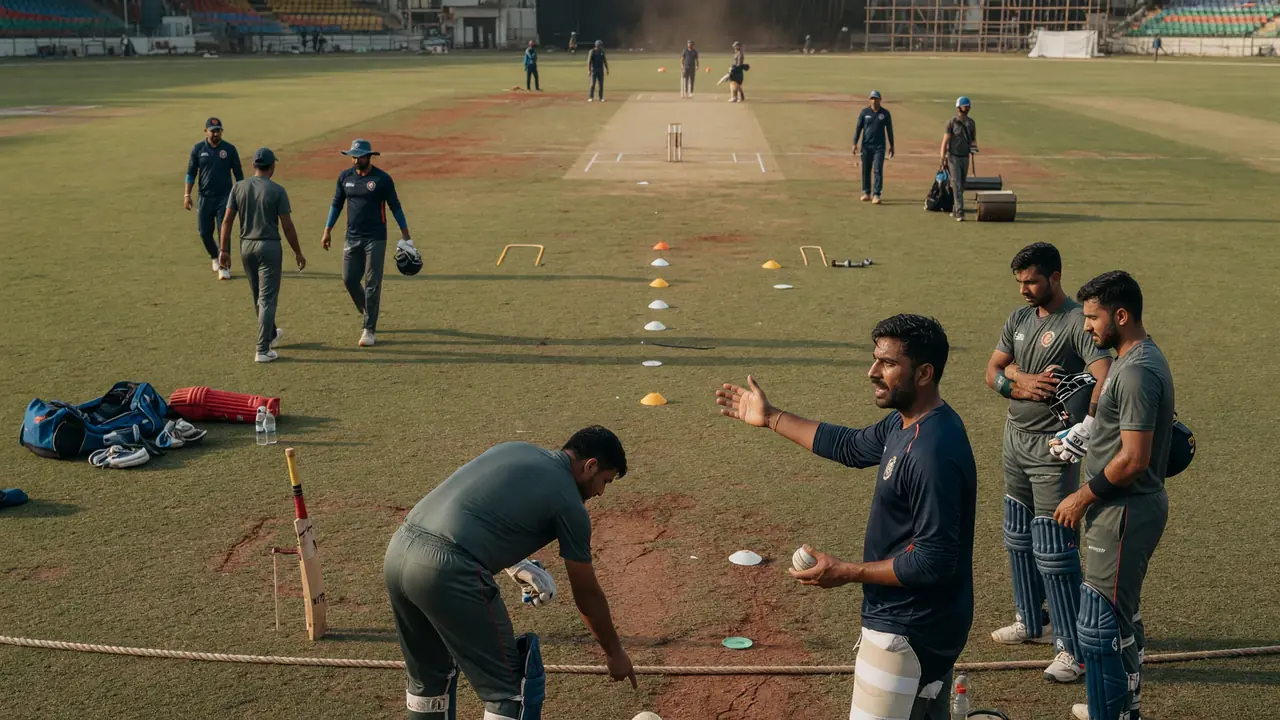
Captain options named in the preview were Rohit Sharma and KL Rahul. Vice-captain options were Shreyas Iyer and Azmatullah Omarzai. That four-name cluster is still the cleanest summary of how the market was being steered: two high-floor Indian batters for the armband, one Indian middle-order upside pick, and one Afghanistan all-rounder as the primary differential multiplier.
The recommended skill combination was 2-4-2-3 — two wicketkeepers, four batters, two all-rounders, three bowlers. In practical team-building language, that split paid for Gurbaz plus Rahul or Kishan at the glove, protected four specialist batting slots in a high first-innings environment, and still left room for Omarzai or Nabi without collapsing the bowling count. Managers who forced a 1-5-2-3 shape were betting harder on pure batting ceiling and accepting thinner bowling coverage on a ground where pace was expected to contribute.
Rohit and Rahul for the armband, Iyer or Omarzai as the vice-captain lever, and a 2-4-2-3 shell: that was the pre-match consensus frame on 13 June.
Players the board told managers to skip
Harsh Dubey and Darwish Rasooli were the named avoids. Negative lists are often more informative than another recycled “must-pick” paragraph. Dubey’s place in the predicted India eleven made the avoid note especially sharp: the preview was willing to project him into the side and still warn managers off the points outcome. Rasooli’s exclusion from the core Afghanistan engine names pointed managers back toward Gurbaz, Omarzai, Nabi and Rashid rather than speculative batting filler.
Hot-pick numbers that anchored ownership
Career aggregates in the original sheet were used as confidence weights, not as form proofs for the previous fortnight. The cited lines were:
- KL Rahul — 3,282 runs in 87 ODIs
- Rohit Sharma — 11,370 runs in 273 ODIs
- Azmatullah Omarzai — 1,070 runs and 38 wickets in 42 ODIs
- Shreyas Iyer — 3,150 runs in 75 ODIs
- Rahmanullah Gurbaz — 1,840 runs in 53 ODIs
Those five lines explain the ownership gravity. Rohit’s volume made him the default safe captain in large-field contests. Rahul’s dual role justified a second Indian captain path when managers wanted keeping points stacked with middle-order stability. Omarzai was the only Afghanistan name with a genuine both-phases case. Iyer sat one rung below the two openers/anchors as a vice-captain with upside. Gurbaz was the away-team batter most likely to clear the Indian top-order ownership wall if the chase became a true run-a-ball hunt.
For readers who still build white-ball sides around Indian home ODIs, the broader craft notes in Fantasy Cricket remain the right place to compare how captain multipliers, bench structure and venue splits are handled across formats. The Dharamsala file is one dated specimen inside that larger practice.
How the injury news rewired the Indian ceiling
Removing Kohli and Pandya from a home ODI is not a cosmetic edit. Kohli’s absence flattened one of the most reliable middle-overs accumulation paths in Indian white-ball cricket and pushed more responsibility onto Iyer and Rahul. Pandya’s absence removed a seam-bowling all-rounder who ordinarily absorbs the fifth-bowler problem and finishes with the bat. Reddy and Sundar were therefore not luxury picks on that board; they were structural patches.
The Jaiswal note is easy to misread in hindsight. Being named in the ODI squad as a replacement option is not the same as being locked for the first eleven. The predicted side kept Rohit and Gill at the top and left Jaiswal outside the playing projection. Archive readers should keep that distinction intact: squad news widened India’s cover, while the fantasy XI projection still ran through the established white-ball core.
Pitch and chase data, translated into roles
A 289 average first innings is high enough to support four specialist batters and still leave room for an aggressive keeper. A 57 percent chase win rate pushes managers to respect second-innings batting more than they would on a collapse-prone surface. The pace-friendly note elevates opening bowlers and reduces the temptation to load four pure spinners in classic formats.
That combination is why Arshdeep’s left-arm angle and a second seamer such as Prince Yadav were not afterthoughts on the predicted India side. It is also why Rashid remained essential for Afghanistan even on a ground described as better for pace: wicket-taking middle overs still decide ODI contests when totals climb past 280. Nabi’s holding role and Omarzai’s seam overs filled the rest of the bowling matrix without forcing Afghanistan into an all-spin gamble.
| Role on the board | Primary names | Why they were weighted |
|---|---|---|
| Captain shortlist | Rohit Sharma, KL Rahul | ODI volume plus keeping upside for Rahul |
| Vice-captain shortlist | Shreyas Iyer, Azmatullah Omarzai | Indian middle-order ceiling or AFG all-round multiplier |
| India structure | Gill, Rohit, Kishan, Iyer, Rahul, Reddy, Sundar, Kuldeep, Arshdeep | Top-order stack with patched fifth-bowler duties |
| Afghanistan spine | Gurbaz, Omarzai, Nabi, Rashid, Shahidi | Power opening, dual-phase overs, middle-overs spin |
| Named avoids | Harsh Dubey, Darwish Rasooli | Low projected points reliability on that brief |
What later readers should take from the archive
Three habits in the 13 June preview still travel well. First, separate confirmed absences from squad colour: Kohli and Pandya were out; Jaiswal was cover, not an automatic starter on that projection. Second, let venue numbers set the skill split before brand names do — 289, pace bias and a chase lean justified 2-4-2-3 more cleanly than any slogan about “stacking Indians.” Third, keep one genuine differential multiplier when the home side owns the top-order market; Omarzai filled that job better than a second speculative Afghanistan batter.
The preview also shows the value of a short avoid list. Fantasy writing that only praises becomes interchangeable. Naming Dubey and Rasooli forced managers to defend every leftover salary slot. In an India-home ODI against Afghanistan, leftover salary is usually where large-field contests are lost.
Editorial notes and sourcing
All match scheduling, injury, XI, pitch, head-to-head, combination, captaincy and career-stat details in this retrospective are drawn from the Cricket Addictor fantasy preview for the India vs Afghanistan 1st ODI, published 13 June 2026 at 08:26 AM IST, updated 11:34 PM IST, authored by Vicky Singh. No later match result, official confirmed playing eleven beyond the preview’s prediction, or post-match fantasy leaderboard has been added. Where the source offered prediction rather than confirmation, that status is preserved in the wording above.